Concept & Direction
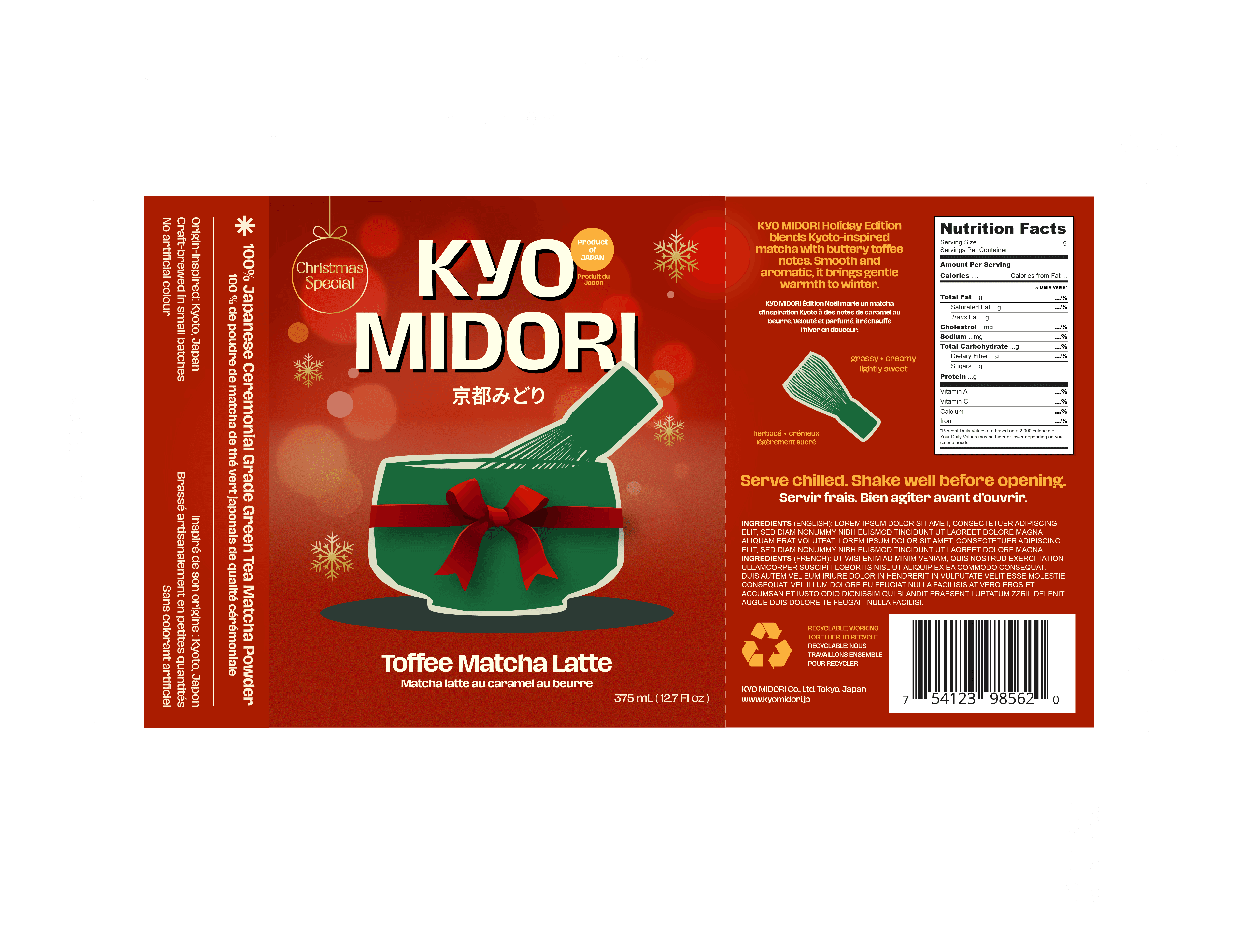
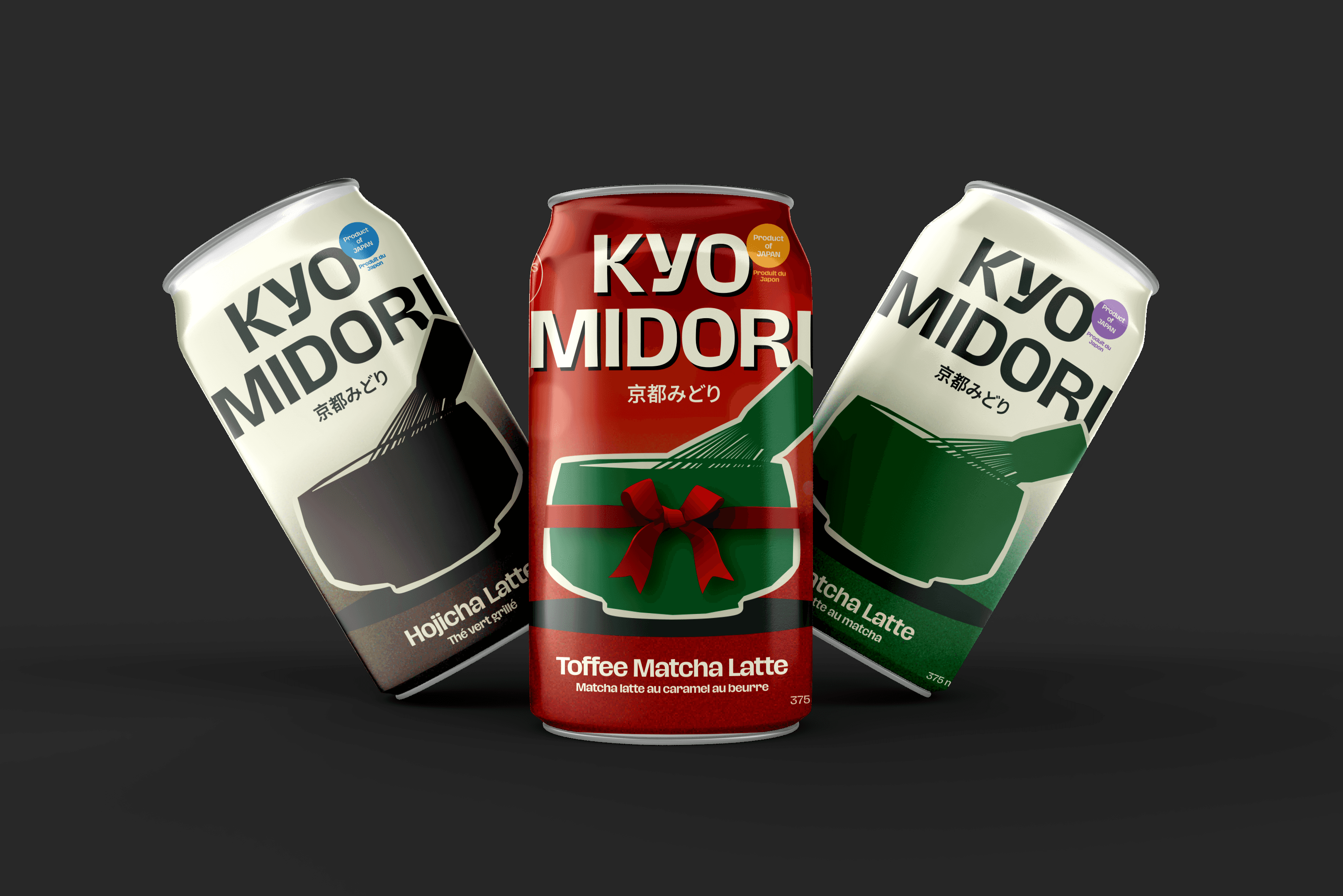
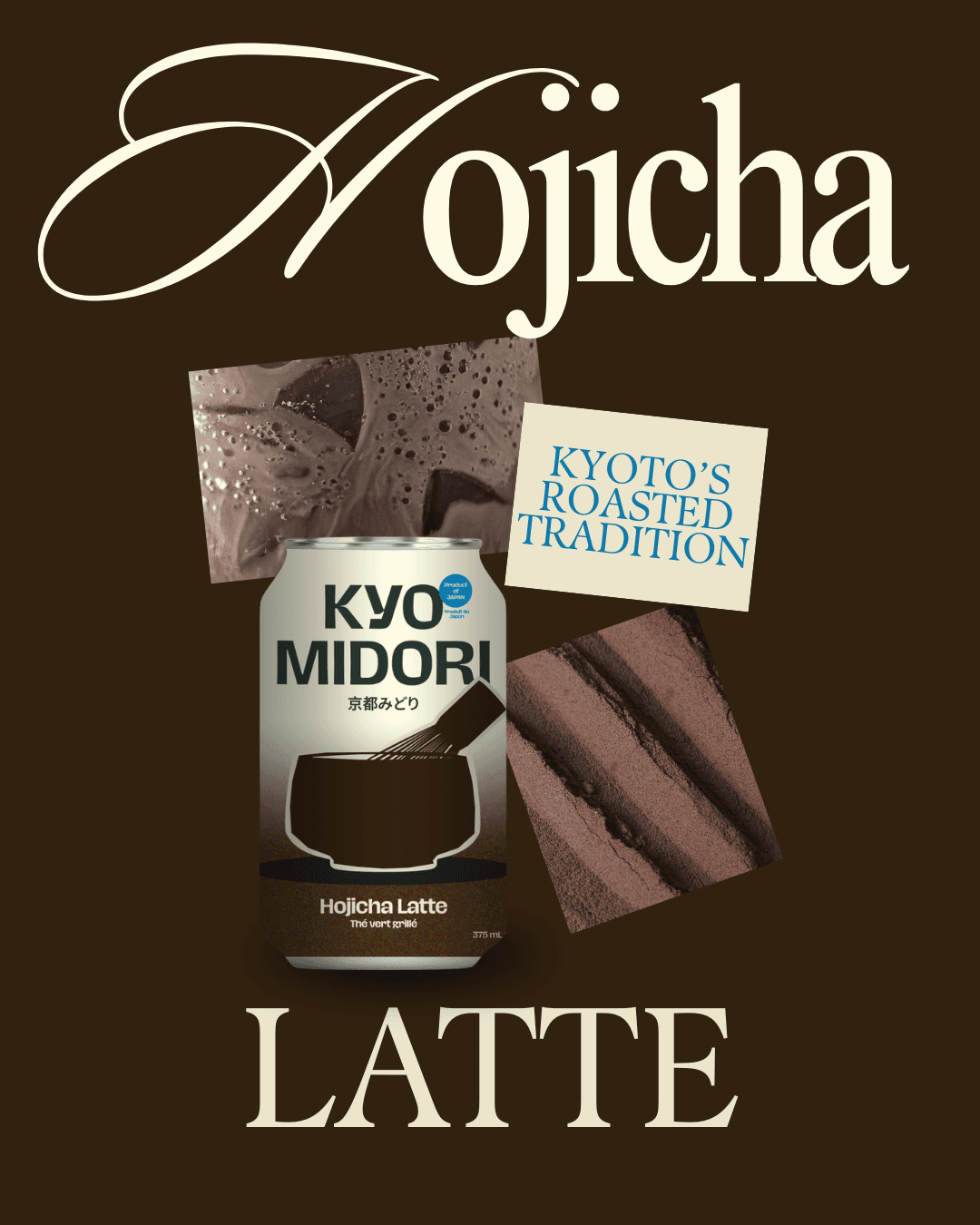
The design references traditional Japanese tea ceremony tools, the tea bowl and bamboo whisk, abstracted into modern geometric forms.
This creates a sense of ceremonial-grade authenticity while maintaining a clean, contemporary aesthetic. A subtle grain texture adds warmth and depth, balancing heritage with modern shelf presence.
KYO MIDORI
A contemporary Japanese beverage brand concept inspired by the precision and craftsmanship of Kyoto’s culinary culture. The goal was to create a modern, premium-ready identity that feels bold on shelf while still honoring traditional Japanese aesthetics.
Role:
Branding Designer
Year: 2025
Timeline: 2 weeks
Tools:
Illustrator
Photoshop
This will hide itself!

Visual System
A strong typographic hierarchy is used to establish premium shelf presence and clear brand recognition from a distance. The bold, structured logotype contrasts with refined supporting text to balance modern confidence with traditional elegance.
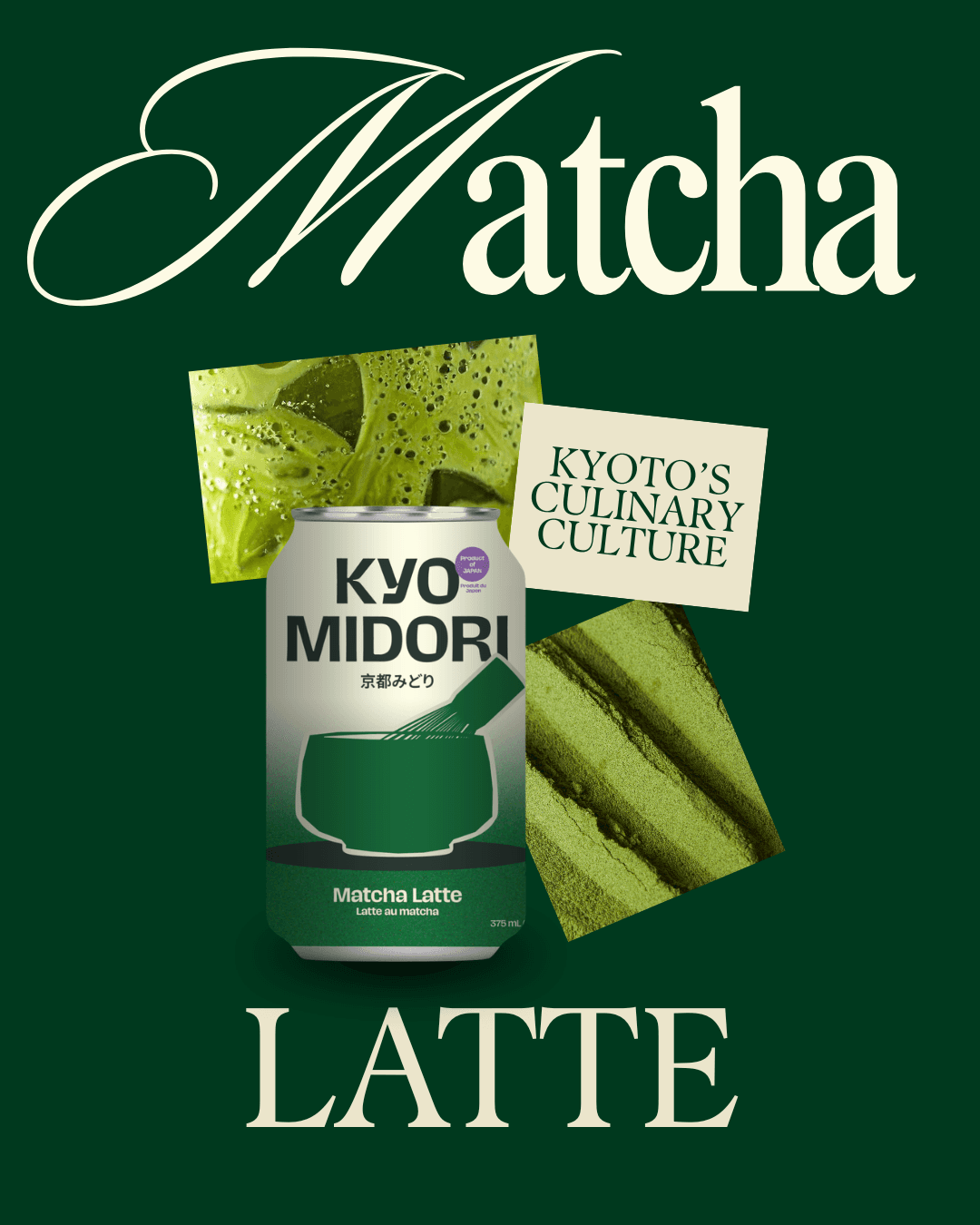
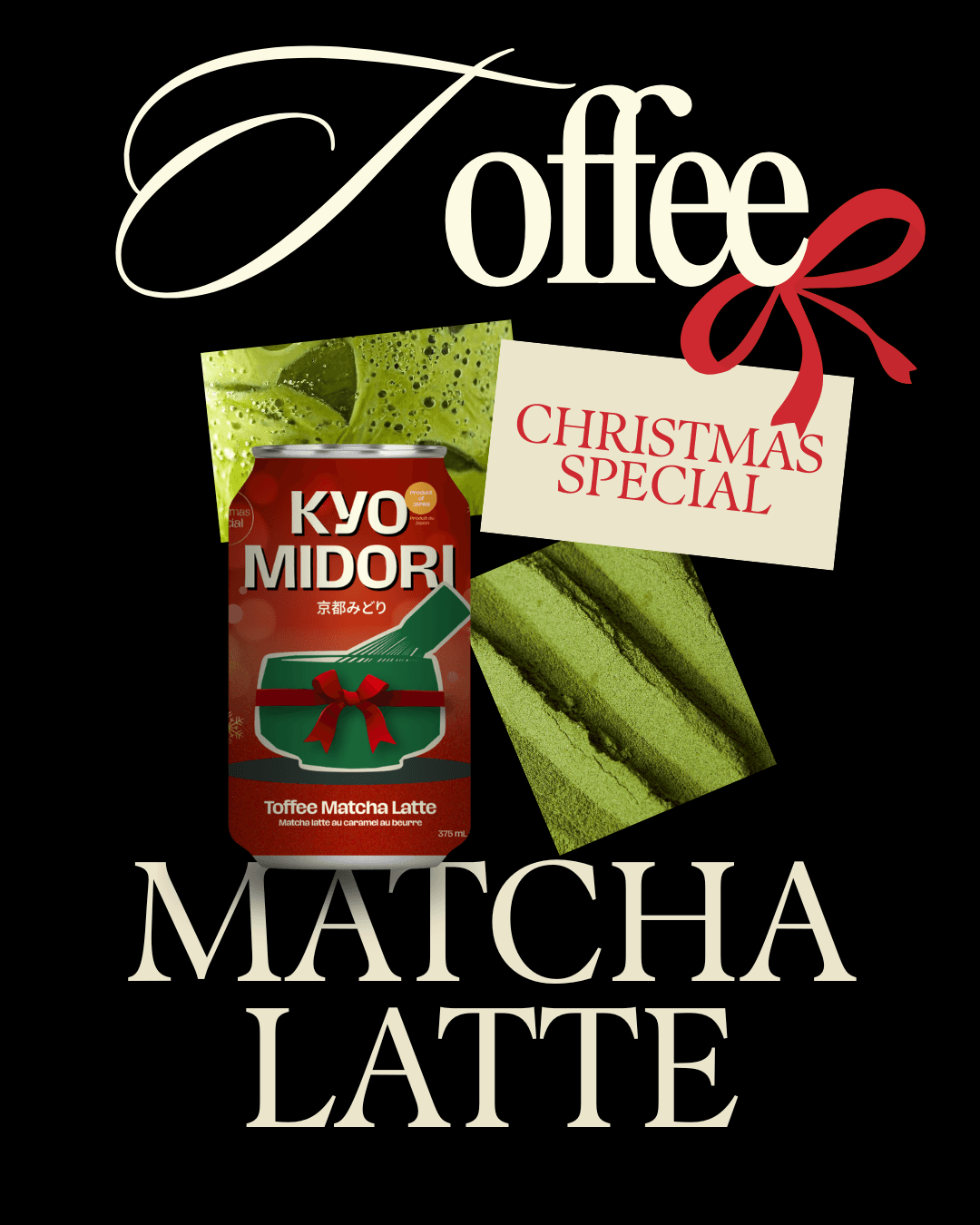
Color plays a key role in differentiating flavors while maintaining brand consistency. Deep greens represent matcha, warm roasted browns express hojicha, and seasonal editions introduce richer accent tones. A subtle grain texture is layered into the background to evoke the organic quality of tea leaves and roasted depth, adding warmth and tactility to the otherwise minimal composition.
Together, these elements form a cohesive visual system that blends traditional tea culture with a contemporary, globally marketable aesthetic.
Challenge & What I learned
One of the main challenges was balancing multiple languages within a limited packaging space. Because the product is rooted in Japanese tea culture, I wanted to incorporate Japanese typography to preserve authenticity. At the same time, the packaging required English and French for clarity and market compliance.
Managing three languages without overcrowding the layout required careful hierarchy, spacing, and alignment. I learned how to prioritize information, control visual weight, and maintain balance so the design feels intentional rather than busy.
This project strengthened my ability to design within real-world constraints while preserving brand identity and clarity.